Sunday, February 1, 2026

My favourite corner of my house

By Arnadeep Samanta (Deepu)


My favourite corner of the house is the bathroom. Yes, the bathroom. I get the most privacy there. I also sometimes start singing there and saying nonsense lyrics. Whenever I feel the pressure building within myself, I go to the bathroom and when I am relieved, the best feeling of relief blows through my body. Strangely, whenever I play chess, I need to sprint to the bathroom. I think there is a spiritual connection between the bathroom, chess and myself. 

I also have memories there. I did this and still do it to this day. I sit on the royal throne and just sit, play with water and occassionally swat at mosquitoes. 

This memory is recent. I poured minus 10 degree Celsius water on myself in winter. I didn't just feel cold, I was sent to another dimension. I scrambled to pour hot water on myself. And when I did, I looked at the floor and thought how I was still alive. 

It doesn't really have much - one or two shampoo bottles, two buckets, four total taps. a rusty shower that nobody uses, Harpic and Godrej Ezee, etc. I think this place is special. Why? This is because I can get infinite privacy, excuse for wasting time and getting a lone time.

-This descriptive paragraph was written by the author in his class (class-V) on 15th Jan 2025.


Sunday, October 6, 2024

Simple tasks that make life of our citizens better

Going through this youtube video of Unfiltered Samdish I realised that the life of our fellow citizens can be made comfortable by very simple provisions. .

I Spent 24 Hours With Kashmir Shepherds And Discovered THIS

Channel: Unfiltered by Samdish

Observations

  • This Kashmiris at high altitude require some source of water. They require only three tubewells - how mimimum requirement they raised.
  • They required road communications for taking the sick  people to nearby dispensary if not hospital.
  • Their urge for studying is unsuppressable. Schools are sparse. Seasonal schools are very ill  equipped with seasonal teacher with 6-monthly salary and that too with paltry Rs. 10,000/- salary per month. How lucky we are living in other parts of India.
  • They do not have even washroom for the ladies, only an enclosed place but that too without water. However, they are not complaining at all because that is also a luxury.
  • Basir bhai dreams to become an IPS, "Indian Police Service"- he has no animosity against the State of India.
  • The inhabitants have practical suggestions to the State. They are the best judges and best consultants of their own problems.

My take

  • We have to realise that our lives are too comfortable compared to these citizens of India.
  • I was thinking that what would be the best approach to raise economic activity of their region at such a high altitude without road, water or electric connections. They suggested the best ideas - tourism and related industry. Therefore, we need not take pain in our head on how to help those citizens, rather we should just ask them about their suggestions. We need  not hire big consultant companies. Government should just facilitates their ideas. Very simple!

Monday, March 14, 2022

Tribute to my Si Prof. Dr. Sadhan Kumar Dutta (SKD)

When he used to teach we used to gossip in the class. One of the cause probably was that we could not hear him properly, especially at the end of the sentences. Certainly we couldn't fathom the knowledge of this scholar. He was a real Doctor of Philosophy (PhD). His knowledge attained such a level where all subjects became equal. 

I can recall few of his teaching that I often use during teaching my students, and I never forget to mention his name to my students, although I know that the students will pay little attention to it. Actually I probably become proud to have him as one of my teacher. That is the reason I get a kind of satisfaction while mentioning his name.

In one of his class on Thermodynamics he surpassed the boundary of subjects. He explained the concept of Entropy with two examples which I still remember.

(i) In our B.Pharm. second year Srilanka got a sole gold medal in Olympics in the sprint event while India was blessed with no medal. Indians were depressed as expected, but SKD Sir was not. He had his own explanation within Entropy. He explained that Srilanka is a small nation with small population, therefore had lesser entropy compared to India. A major portion of the Enthalpy of Srilanka had been channelized into success, in term of thermodymanics "work".

(ii) The second example was more cute. He compared the talent and contribution of Rabindra Nath Tagore and Kazi Nazrul Islam. As per SKD Sir Kazi Nazrul was more talented than Rabindranath, but the Entropy of the former was higher compared to that of the latter. As the symptom of Entropy, SKD Sir observed that Kazi Nazrul was a prolific poet with stupendous number of poems strewn everywhere, but he was too careless to archive those gems. Therefore, in SKD Sir's view Kazi Nazrul's entropy was very high. SKD Sir, then compared the work culture of Rabindranath by saying that he was also talented writer but at the same time he was very disciplined and hence his entropy was lower compared to Kazi Nazrul. Rabindranath used to archive all his works very diligently. This was the reason Rabindranath achieved more success and recognized worldwide compared to Kazi Nazrul. Therefore, we can reduce the Entropy of a system if we can discipline it.

His another prophecy I can recall was  "It is difficult to understand Thermodynamics before 40 years of age".

Thank you Sir.🙏

Tuesday, March 31, 2020

Invention of Rabies Vaccine by Louis Pasteur

āϜāϞাāϤāĻ™্āĻ• āĻāĻŦং āϤাāϰ āϟীāĻ•া:
    **************
Whatsapp 31/03/2020

ā§§ā§Žā§Žā§Ģ āϏাāϞ...āĻĒ্āϝাāϰিāϏ। āĻŦা⧜িāϰ āϏāĻĻāϰ āĻĻāϰāϜাāϰ āϏাāĻŽāύে āĻ–েāϞা āĻ•āϰāĻ›িāϞ āύ⧟ āĻŦāĻ›āϰেāϰ āĻ›েāϞে āϝোāϏেāĻĢ...āϝোāϏেāĻĢ āĻŽেāχāϏ্āϟাāϰ। āϝোāϏেāĻĢেāϰ āĻŽা āĻŽাāĻĻাāĻŽ āĻŽেāχāϏ্āϟাāϰ āĻŦ্āϝāϏ্āϤ āϘāϰেāϰ āĻ•াāϜে। āĻšāĻ াā§Ž āĻ›েāϞেāϰ āĻ•াāύ্āύাāϰ āφāĻ“ā§ŸাāϜ āĻļুāύে āϚāĻŽāĻ•ে āωāĻ āϞেāύ āϤিāύি। āϤা⧜াāϤা⧜ি āĻĻৌ⧜ে āĻ—েāϞেāύ āϏāĻĻāϰ āĻĻāϰāϜা⧟...āϏাāĻŽāύেāϰ āĻĻৃāĻļ্āϝ āĻĻেāĻ–ে āϭ⧟ে āĻ…āϏা⧜ āĻšā§Ÿে āĻ—েāϞ āϤাঁāϰ āĻļāϰীāϰ।

āĻāĻ•āϟা āĻ•ুāĻ•ুāϰ...āĻ…āĻĻ্āĻ­ুāϤ āϤাāϰ āϚোāĻ–েāϰ āϚাāωāύি...āĻŽুāĻ– āĻĻি⧟ে āϞাāϞা āĻ—ā§œাāϚ্āĻ›ে...āϚাāĻĒা āĻ—āϰ্āϜāύেāϰ āϏāĻ™্āĻ—ে āĻ•ুāĻ•ুāϰāϟা āϏāϜোāϰে āĻ•াāĻŽā§œে āϧāϰেāĻ›ে āϝোāϏেāĻĢেāϰ āĻĒা...āϝāύ্āϤ্āϰāĻŖা⧟ āĻ•াāϤāϰাāϚ্āĻ›ে āϝোāϏেāĻĢ। āϏāĻŽ্āĻŦিāϤ āĻĢিāϰে āĻĒে⧟ে āĻ•ুāĻ•ুāϰāϟাāĻ•ে āĻāĻ•āϟা āϞাāĻĨি āĻŽাāϰāϞেāύ āĻŽাāĻĻাāĻŽ āĻŽেāχāϏ্āϟাāϰ...āĻ•ুāĻ•ুāϰāϟা āĻāĻ•āϟু āĻĻূāϰে āĻ›িāϟāĻ•ে āĻĒ⧜āϞো। āϝোāϏেāĻĢেāϰ āϰāĻ•্āϤāĻŽিāĻļ্āϰিāϤ āϞাāϞা āĻāϰāĻ›ে āϤাāϰ āĻŽুāĻ– āĻĨেāĻ•ে। āĻ–াāύিāĻ•āĻ•্āώāĻŖ āĻ•্āϰূāϰ āĻĻৃāώ্āϟিāϤে āϤাāĻ•ি⧟ে āĻĨেāĻ•ে āϧীāϰে āϧীāϰে āϚāϞে āĻ—েāϞ āĻ•ুāĻ•ুāϰāϟা।

āĻ•ুāĻ•ুāϰāϟাāĻ•ে āϚিāύāϤে āĻĒেāϰেāĻ›েāύ āĻŽাāĻĻাāĻŽ āĻŽেāχāϏ্āϟাāϰ। āĻāϟা āĻĒাāĻļেāϰ āĻĒা⧜াāϰ āϏেāχ āĻĒাāĻ—āϞা āĻ•ুāĻ•ুāϰāϟা...āϝেāϟা āχāϤāĻŽāϧ্āϝেāχ āĻĻু'āϜāύāĻ•ে āĻ•াāĻŽā§œেāĻ›ে...āĻĻু'āϜāύেāχ āĻ­āϰ্āϤি āϰ⧟েāĻ›েāύ āĻšাāϏāĻĒাāϤাāϞে...āĻĄাāĻ•্āϤাāϰ āĻŦāϞেāĻ›েāύ, āϜāϞাāϤāĻ™্āĻ• āĻšāĻ“ā§Ÿা āĻļুāϧু āϏāĻŽā§Ÿেāϰ āĻ…āĻĒেāĻ•্āώা...āĻŦাঁāϚাāϰ āĻ•োāύো āφāĻļা āύেāχ! āϏেāχ āĻ•ুāĻ•ুāϰāϟাāχ āĻ•াāĻŽā§œেāĻ›ে āϤাঁāϰ āĻāĻ•āĻŽাāϤ্āϰ āĻ›েāϞে āϝোāϏেāĻĢāĻ•ে!

āĻŽাāĻĨা āĻ–াāϰাāĻĒ āĻšā§Ÿে āĻ—েāϞ āĻŽাāĻĻাāĻŽ āĻŽেāχāϏ্āϟাāϰেāϰ। āĻ›েāϞেāĻ•ে āύি⧟ে āĻ›ুāϟāϞেāύ āϏ্āĻĨাāύী⧟ āĻĄাāĻ•্āϤাāϰেāϰ āĻ•াāĻ›ে...āĻāĻ•āϟাāχ āφāϰ্āϜি…"āĻ›েāϞেāĻ•ে āĻŦাঁāϚি⧟ে āĻĻিāύ"। āϝোāϏেāĻĢেāϰ āĻĒা⧟েāϰ āĻ•্āώāϤāϰ āĻĄ্āϰেāϏিং āĻ•āϰāϞেāύ āĻĄাāĻ•্āϤাāϰ। āĻŦāϞāϞেāύ, "āĻāχ āϰোāĻ—েāϰ āĻ•োāύো āĻ“āώুāϧ āύেāχ...āĻŽৃāϤ্āϝু āφāϏāĻŦে āĻĻু' āϏāĻĒ্āϤাāĻšেāϰ āĻŦা āĻ–ুāĻŦ āϜোāϰ āĻšāϞে āĻāĻ•āĻŽাāϏেāϰ āĻŽāϧ্āϝে...āĻ­āĻŦিāϤāĻŦ্āϝāĻ•ে āĻŽেāύে āύিāύ...āϤা āĻ›া⧜া āĻ•োāύো āωāĻĒা⧟ āύেāχ"।

āĻ•াঁāĻĻāϤে āĻ•াঁāĻĻāϤে āĻĄাāĻ•্āϤাāϰেāϰ āĻšাāϤে āĻĒা⧟ে āϧāϰāϞেāύ āĻŽাāĻĻাāĻŽ āĻŽেāχāϏ্āϟাāϰ…"āĻ•িāĻ›ু āĻāĻ•āϟা āĻ•āϰুāύ...āĻ•িāĻ›ু āĻāĻ•āϟা āĻ•āϰে āϝোāϏেāĻĢāĻ•ে āĻŦাঁāϚাāύ"। āĻāĻ•āϟু āϚিāύ্āϤা āĻ•āϰāϞেāύ āĻĄাāĻ•্āϤাāϰāĻŦাāĻŦু...āĻŦāϞāϞেāύ, "āĻāĻ–াāύ āĻĨেāĻ•ে āĻāĻ•āϟু āĻĻূāϰে āϞুāχ āĻĒাāϏ্āϤুāϰ āύাāĻŽে āĻ•েāĻŽিāϏ্āϟ্āϰিāϰ āĻāĻ• āĻĒ্āϰāĻĢেāϏāϰ āĻĨাāĻ•েāύ। āĻļুāύেāĻ›ি āϤিāύি āϜāϞাāϤāĻ™্āĻ• āϰোāĻ—েāϰ āϟীāĻ•া āφāĻŦিāώ্āĻ•াāϰ āĻ•āϰāĻŦাāϰ āϚেāώ্āϟা āĻ•āϰāĻ›েāύ। āφāĻĒāύি āϤাঁāϰ āϏāĻ™্āĻ—ে āĻ•āĻĨা āĻŦāϞুāύ"।

āϝোāϏেāĻĢāĻ•ে āĻ•োāϞে āύি⧟ে āĻĄাāĻ•্āϤাāϰāĻ–াāύা āĻĨেāĻ•েāχ āϞুāχ āĻĒাāϏ্āϤুāϰেāϰ āĻŦা⧜িāϰ āωāĻĻ্āĻĻেāĻļ্āϝে āĻ›ুāϟāϞেāύ āĻŽাāĻĻাāĻŽ āĻŽেāχāϏ্āϟাāϰ। āĻĻেāĻ–া āĻ•āϰāϞেāύ āĻĒাāϏ্āϤুāϰেāϰ āϏāĻ™্āĻ—ে। āĻŦāϞāϞেāύ, "āφāĻŽাāϰ āĻāĻ•āĻŽাāϤ্āϰ āĻ›েāϞে...āϝেāĻ­াāĻŦে āĻšোāĻ• āĻŦাঁāϚাāύ"।

āĻŽাāĻĻাāĻŽ āĻŽেāχāϏ্āϟাāϰāĻ•ে āĻ…āύেāĻ• āĻŦোāĻাāϞেāύ āĻĒাāϏ্āϤুāϰ। āĻŦāϞāϞেāύ, "āĻāĻ•āĻĨা āϏāϤ্āϝি āϝে āφāĻŽি āϜāϞাāϤāĻ™্āĻ•āϰ āϟীāĻ•া āφāĻŦিāώ্āĻ•াāϰ āĻ•āϰāĻŦাāϰ āϚেāώ্āϟা āĻ•āϰāĻ›ি āĻāĻŦং āφংāĻļিāĻ• āϏাāĻĢāϞ্āϝāĻ“ āĻĒে⧟েāĻ›ি। āĻāχ āϟীāĻ•া āϤৈāϰী āĻ•āϰেāĻ›ি āϜāϞাāϤāĻ™্āĻ•āϤে āĻ­ুāĻ—āϤে āĻĨাāĻ•া āĻ•ুāĻ•ুāϰেāϰ āϏ্āĻĒাāχāύাāϞ āĻ•āϰ্āĻĄেāϰ āϟিāϏ্āϝুāĻ•ে āĻĢāϰ্āĻŽাāϞিāύ āĻĻি⧟ে āφংāĻļিāĻ•āĻ­াāĻŦে āĻ…āĻ•েāϜো āĻ•āϰে। āĻāχ āϟীāĻ•া āĻ•ুāĻ•ুāϰেāϰ āĻĻেāĻšে āĻĒ্āϰ⧟োāĻ— āĻ•āϰে āϏাāĻĢāϞ্āϝ āĻĒে⧟েāĻ›ি...āĻāχ āϟীāĻ•া āĻ•ুāĻ•ুāϰেāϰ āĻļāϰীāϰে āϜāϞাāϤāĻ™্āĻ• āĻĒ্āϰāϤিāϰোāϧ āĻ•āϰāϤে āϏāĻ•্āώāĻŽ। āĻ•িāύ্āϤু āĻŽাāύুāώেāϰ āĻļāϰীāϰে āĻāϰ āĻĒ্āϰ⧟োāĻ— āĻāĻ–āύāĻ“ āĻ•āϰা āĻšā§Ÿে āĻ“āĻ েāύি...āĻ…āϰ্āĻĨাā§Ž 'āĻšিāωāĻŽ্āϝাāύ āϟ্āϰা⧟াāϞ' āĻāĻ–āύāĻ“ āĻšā§Ÿāύি। 'āĻšিāωāĻŽ্āϝাāύ āϟ্āϰা⧟াāϞ' āĻ āϏāĻĢāϞ āĻšāϞে āϤāĻŦেāχ āĻāĻ•āĻŽাāϤ্āϰ āĻāχ āϟীāĻ•া āĻŽাāύুāώেāϰ āĻļāϰীāϰে āĻĻেāĻ“ā§Ÿাāϰ āωāĻĒāϝুāĻ•্āϤ āĻŦāϞে āĻ—āĻŖ্āϝ āĻšāĻŦে...āϤাāϰ āφāĻ—ে āύ⧟"।

āϏāĻŦ āĻļুāύে āϞুāχ āĻĒাāϏ্āϤুāϰেāϰ āϏাāĻŽāύে āϝোāϏেāĻĢāĻ•ে āĻļুāĻ‡ā§Ÿে āĻĻিāϞেāύ āĻŽাāĻĻাāĻŽ āĻŽেāχāϏ্āϟাāϰ। āĻŦāϞāϞেāύ, "āĻ“āϰ āωāĻĒāϰেāχ 'āĻšিāωāĻŽ্āϝাāύ āϟ্āϰা⧟াāϞ' āĻ•āϰুāύ। āĻ“āĻ•ে āĻĒাāĻ—āϞা āĻ•ুāĻ•ুāϰে āĻ•াāĻŽā§œেāĻ›ে...āφāϜ āύা āĻšোāĻ• āĻ•াāϞ āĻ“ āĻŽāϰāĻŦেāχ...āφāĻĒāύাāϰ āϟীāĻ•াāϰ āĻĻৌāϞāϤে āϝāĻĻি āĻŦাঁāϚে!"

āĻĒাāϏ্āϤুāϰ āĻĒ⧜āϞেāύ āφāϤাāύ্āϤāϰে! āĻāĻ•āϟা āύ' āĻŦāĻ›āϰেāϰ āĻŦাāϚ্āĻ›াāϰ āωāĻĒāϰ āĻšিāωāĻŽ্āϝাāύ āϟ্āϰা⧟াāϞ! āĻ“āχāϟুāĻ•ু āĻļāϰীāϰ āĻ•ি āĻāχ āĻŽাāϰাāϤ্āĻŽāĻ• āϰোāĻ—েāϰ āϟীāĻ•াāϰ āĻĒাāϰ্āĻļ্āĻŦāĻĒ্āϰāϤিāĻ•্āϰি⧟া āϏāĻš্āϝ āĻ•āϰāϤে āĻĒাāϰāĻŦে? āϝāĻĻি āϟীāĻ•া'āϰ āĻĒাāϰ্āĻļ্āĻŦāĻĒ্āϰāϤিāĻ•্āϰি⧟াāϰ āϜāύ্āϝāχ āϝোāϏেāĻĢ āĻŽাāϰা āϝা⧟...āύিāϜেāϰ āĻ…āύ্āϤāϰাāϤ্āĻŽাāĻ•ে āĻ•ি āϜāĻŦাāĻŦ āĻĻেāĻŦেāύ āϤিāύি?

āĻĒাāϏ্āϤুāϰ āĻĒāϰাāĻŽāϰ্āĻļ āĻ•āϰāϞেāύ āύিāϜেāϰ āϏāĻšāĻ•াāϰীāĻĻেāϰ āϏāĻ™্āĻ—ে, āĻ•āĻĨা āĻŦāϞāϞেāύ āϝোāϏেāĻĢেāϰ āĻŦাāĻŦাāϰ āϏāĻ™্āĻ—ে। āϏ্āĻĨিāϰ āĻšāϞো...āϝোāϏেāĻĢেāϰ āωāĻĒāϰেāχ āĻĒ্āϰāĻĨāĻŽ āĻĒ্āϰ⧟োāĻ— āĻ•āϰা āĻšāĻŦে āĻĒাāϏ্āϤুāϰেāϰ āϤৈāϰী āϟীāĻ•া!

āĻĒ্āϰ⧟োāĻ— āĻ•āϰা āĻšāϞ। āĻĒাāϏ্āϤুāϰ āĻāĻŦং āϤাঁāϰ āϏāĻšāĻ•āϰ্āĻŽীāĻĻেāϰ āύেāĻ•āύāϜāϰে āϰāχāϞো āύ⧟ āĻŦāĻ›āϰেāϰ āϝোāϏেāĻĢ। āĻāĻ•āĻĻিāύ...āĻĻুāĻĻিāύ...āĻ•েāϟে āĻ—েāϞো āϤিāϰিāĻļāϟা āĻĻিāύ...āϝোāϏেāĻĢেāϰ āĻļāϰীāϰে āϜāϞাāϤāĻ™্āĻ•āϰ āĻ•োāύো āϞāĻ•্āώāĻŖ āĻĻেāĻ–া āĻ—েāϞ āύা...āĻšিāωāĻŽ্āϝাāύ āϟ্āϰা⧟াāϞ āϏাāĻ•āϏেāϏāĻĢুāϞ...āφāĻŦিāώ্āĻ•াāϰ āĻšāϞ āϜāϞাāϤāĻ™্āĻ•āϰ āϟীāĻ•া!

Person who saves one life saves the entire mankind। āϞুāχ āĻĒাāϏ্āϤুāϰেāϰ āφāĻŦিāώ্āĻ•ৃāϤ āĻ“āχ āϟীāĻ•া āĻĒ্āϰ⧟োāĻ— āĻ•āϰে āĻāϰ āĻĒāϰেāϰ āĻĒ্āϰা⧟ āĻāĻ•āĻļো āĻŦāĻ›āϰ āϧāϰে āĻĒ্āϰাāĻŖ āĻŦাঁāϚাāύো āĻšā§ŸেāĻ›ে āĻ•োāϟি āĻ•োāϟি āĻŽাāύুāώেāϰ। āĻ•ā§ŸেāĻ• āĻŦāĻ›āϰ āφāĻ—ে āĻ…āĻŦāϧি āĻ“āχ āϟীāĻ•াāχ āĻ­াāϰāϤ āϏāϰāĻ•াāϰ āĻĒ্āϰāϤ্āϝেāĻ• āϏāϰāĻ•াāϰী āĻšাāϏāĻĒাāϤাāϞে āϏাāĻĒ্āϞাāχ āĻ•āϰāϤো। āĻŦিāϜ্āĻžাāύ āĻ•āĻ–āύāĻ“ āĻĨেāĻŽে āĻĨাāĻ•ে āύা। āĻšিāωāĻŽ্āϝাāύ āĻĄিāĻĒ্āϞāϝ়েāĻĄ āϏেāϞ āĻ•াāϞāϚাāϰ āĻ­্āϝাāĻ•āϏিāύ āĻŦাāϜাāϰে āϚāϞে āφāϏাāϰ āĻĒāϰে āĻĒাāϏ্āϤুāϰেāϰ āϤৈāϰী āĻ­্āϝাāĻ•āϏিāύেāϰ āĻŦ্āϝāĻŦāĻšাāϰ āĻĒ্āϰা⧟ āĻŦāύ্āϧ āĻšā§Ÿে āϝা⧟। āĻ•িāύ্āϤু "āĻĢাāĻĻাāϰ āĻ…āĻĢ āĻŽাāχāĻ•্āϰোāĻŦা⧟োāϞāϜি" āϞুāχ āĻĒাāϏ্āϤুāϰেāϰ āύাāĻŽ āϏ্āĻŦāϰ্āĻŖাāĻ•্āώāϰে āϞেāĻ–া āφāĻ›ে āĻāĻŦং āϚিāϰāĻĻিāύ āϞেāĻ–া āĻĨাāĻ•āĻŦে...āĻĒāĻĨ āĻĒ্āϰāĻĨāĻŽāĻŦাāϰ āϤিāύিāχ āĻĻেāĻ–ি⧟েāĻ›িāϞেāύ।

āϝে āĻŦা⧜িāϤে āϝোāϏেāĻĢেāϰ āωāĻĒāϰ āĻāχ āĻšিāωāĻŽ্āϝাāύ āϟ্āϰা⧟াāϞ āĻ•āϰা āĻšā§ŸেāĻ›িāϞ...āϏেāχ āĻŦা⧜ি āφāϜ āĻŽāĻšীāϰুāĻšāϰ āφāĻ•াāϰ āϧাāϰāĻŖ āĻ•āϰেāĻ›ে...āύাāĻŽ "āĻĒাāϏ্āϤুāϰ āχāύāϏ্āϟিāϟিāωāϟ"...āĻĻেāĻļ āĻŦিāĻĻেāĻļেāϰ āĻŦিāϜ্āĻžাāύীāϰা āĻāχ āχāύāϏ্āϟিāϟিāωāϟে āĻ•াāϜ āĻ•āϰাāϰ āϜāύ্āϝ āĻŽুāĻ–ি⧟ে āĻĨাāĻ•েāύ।

āĻ•িāύ্āϤু āϏেāχ āύ' āĻŦāĻ›āϰেāϰ āϝোāϏেāĻĢ āĻŽেāχāϏ্āϟাāϰ...āϤাঁāϰ āĻ•ি āĻšāϞো? āφāĻĒāύি āĻļুāύāϞে āĻ…āĻŦাāĻ• āĻšāĻŦেāύ...āϤিāύি āĻŦেঁāϚেāĻ›িāϞেāύ āĻĒঁ⧟āώāϟ্āϟি āĻŦāĻ›āϰ āĻŦ⧟āϏ āĻ…āĻŦāϧি। āĻĒ্āϰāĻĨāĻŽ āĻŦিāĻļ্āĻŦāϝুāĻĻ্āϧে āϤিāύি āĻĢ্āϰাāύ্āϏেāϰ āĻšā§Ÿে āϝুāĻĻ্āϧ āĻ•āϰেāĻ›িāϞেāύ। āϝুāĻĻ্āϧ āĻĨেāĻ•ে āĻĢেāϰাāϰ āĻĒāϰে āϞুāχ āĻĒাāϏ্āϤুāϰ āϝোāϏেāĻĢāĻ•ে 'āĻĒাāϏ্āϤুāϰ āχāύāϏ্āϟিāϟিāωāϟ' āĻāϰ āĻ•ে⧟াāϰāϟেāĻ•াāϰেāϰ āĻĒāĻĻে āĻŦāĻšাāϞ āĻ•āϰেāύ। āφāĻŽৃāϤ্āϝু āϤিāύি 'āĻĒাāϏ্āϤুāϰ āχāύāϏ্āϟিāϟিāωāϟ' āĻāϰ āĻĒাāĻšাāϰাāĻĻাāϰ āĻ›িāϞেāύ।

⧧⧝ā§Ēā§Ļ āϏাāϞ...āĻĻ্āĻŦিāϤী⧟ āĻŦিāĻļ্āĻŦāϝুāĻĻ্āϧ। āĻĢ্āϰাāύ্āϏ āĻĻāĻ–āϞ āĻ•āϰেāĻ›ে āϜাāϰ্āĻŽাāύিāϰ āύাā§ŽāϏী āĻŦাāĻšিāύী...āĻĒ্āϝাāϰিāϏ āĻļāĻšāϰে āĻšāϤ্āϝাāϞীāϞা āϚāϞāĻ›ে। āĻĒাāϏ্āϤুāϰ āχāύāϏ্āϟিāϟিāωāϟেāϰ āĻŦিāϜ্āĻžাāύীāϰা āĻĒাāϞি⧟ে āĻ—েāĻ›েāύ...āύিāϜেāϰ āϏ্āϤ্āϰী āϏāύ্āϤাāύāĻĻেāϰ āύিāϰাāĻĒāĻĻ āφāĻļ্āϰ⧟ে āĻĒাāĻ ি⧟ে āĻĻি⧟ে āĻĒাāϏ্āϤুāϰ āχāύāϏ্āϟিāϟিāωāϟেāϰ āĻ—েāϟ āφāĻ—āϞে āĻŦāϏে āφāĻ›েāύ āĻĒঁ⧟āώāϟ্āϟি āĻŦāĻ›āϰেāϰ āĻŦৃāĻĻ্āϧ āϝোāϏেāĻĢ āĻŽেāχāϏ্āϟাāϰ! āϤিāύি āĻĒাāϞি⧟ে āϝাāύāύি...āϝে āχāύāϏ্āϟিāϟিāωāϟ āĻāĻ•āĻĻিāύ āϤাঁāϰ āĻĒ্āϰাāĻŖ āĻŦাঁāϚি⧟েāĻ›িāϞ...āύāϰāĻĒিāĻļাāϚāĻĻেāϰ āĻšাāϤে āϏেāχ āχāύāϏ্āϟিāϟিāωāϟāĻ•ে āĻ›ে⧜ে āϝেāϤে āϤাঁāϰ āĻŽāύ āϏা⧟ āĻĻে⧟āύি।

āĻŦিāĻļাāϞ āύাā§ŽāϏী āĻŦাāĻšিāύী āϝāĻ–āύ āĻĒাāϏ্āϤুāϰ āχāύāϏ্āϟিāϟিāωāϟেāϰ āĻ—েāϟেāϰ āϏাāĻŽāύে, āĻ…āĻļāĻ•্āϤ āĻļāϰীāϰে āύিāϜেāϰ āϏাāϰ্āĻ­িāϏ āϰিāĻ­āϞāĻŦাāϰ āϤাঁāĻĻেāϰ āĻĻিāĻ•ে āϤাāĻ• āĻ•āϰāϞেāύ āϝোāϏেāĻĢ āĻŽেāχāϏ্āϟাāϰ…"āϏ্āϟāĻĒ"। āύাā§ŽāϏীāϰা āĻŦৃāĻĻ্āϧ āϝোāϏেāĻĢেāϰ āωāĻĒāϰ āĻĢা⧟াāϰ āĻ•āϰāϞো āύা...āϰাāχāĻĢেāϞেāϰ āĻ•ুঁāĻĻোāϰ āϘা⧟ে āϤাঁāĻ•ে āϧāϰাāĻļা⧟ী āĻ•āϰে āĻŦেāϧ⧜āĻ• āĻŽাāϰāϧোāϰ āĻ•āϰāϞো। āĻŽাāϰ āĻ–েāϤে āĻ–েāϤে āϝোāϏেāĻĢ āĻļুāύāϞেāύ āϝে āϤাঁāϰ āϏ্āϤ্āϰী āϏāύ্āϤাāύেāϰা āύাā§ŽāϏীāĻĻেāϰ āĻšাāϤে āϧāϰা āĻĒ⧜েāĻ›েāύ। āĻ“āχ āĻ…āĻŦāϏ্āĻĨাāϤেāĻ“ āϤিāύি āύাā§ŽāϏীāĻĻেāϰ āĻ…āύুāϰোāϧ āĻ•āϰেāĻ›িāϞেāύ...āϞুāχ āĻĒাāϏ্āϤুāϰেāϰ āϏāĻŽাāϧিāϟা āϝেāύ āύāώ্āϟ āύা āĻ•āϰা āĻšā§Ÿ…"He saved millions of lives"।

āĻŽাāϰ āĻ–ে⧟ে āĻŽৃāϤāĻĒ্āϰা⧟ āϝোāϏেāĻĢ āĻ•োāύোāĻŽāϤে āĻŦা⧜ি āĻĢিāϰāϞেāύ। āĻŦুāĻāϞেāύ...āϤাঁāϰ āϏ্āϤ্āϰী āϏāύ্āϤাāύেāϰা āĻŦāύ্āĻĻী...āĻĒাāϏ্āϤুāϰ āχāύāϏ্āϟিāϟিāωāϟ āύাā§ŽāϏীāĻĻেāϰ āĻ•āĻŦāϞে। āύিāϜেāϰ āϏাāϰ্āĻ­িāϏ āϰিāĻ­āϞāĻŦাāϰ āύিāϜেāϰ āĻ•āĻĒাāϞে āĻ েāĻ•ি⧟ে āϟ্āϰিāĻ—াāϰ āϟেāύে āĻĻিāϞেāύ āϤিāύি।

āϝোāϏেāĻĢেāϰ āĻ…āύুāϰোāϧ āĻŽেāύে āύাā§ŽāϏীāϰা āĻĒাāϏ্āϤুāϰেāϰ āϏāĻŽাāϧি āύāώ্āϟ āĻ•āϰেāύি। āϝোāϏেāĻĢেāϰ āϏ্āϤ্āϰী āϏāύ্āϤাāύāϰাāĻ“ āύাā§ŽāϏীāĻĻেāϰ āĻšাāϤ āĻā§œিāϝ়ে āĻļেāώ āĻ…āĻŦāϧি āĻĒাāϞি⧟ে āϝেāϤে āϏāĻ•্āώāĻŽ āĻšā§ŸেāĻ›িāϞেāύ।

āφāϜ āϏāĻŽāĻ—্āϰ āĻĒৃāĻĨিāĻŦী āĻ•āϰোāύা āĻŽāĻšাāĻŽাāϰীāϰ āĻ•āĻŦāϞে। āĻāχ āĻ­াāχāϰাāϏেāϰ āĻŽাāϰāĻ• āĻ•্āώāĻŽāϤা āĻĒ্āϰা⧟ ā§Š%। āϜāϞাāϤāĻ™্āĻ•āϰ āϜāύ্āϝ āĻĻা⧟ী āϰেāĻŦিāϏ āĻ­াāχāϰাāϏেāϰ āĻŽাāϰāĻ• āĻ•্āώāĻŽāϤা āĻ•āϤো āϜাāύেāύ? ā§§ā§Ļā§Ļ%! āĻāĻ•āĻŦাāϰ āĻāχ āϰোāĻ— āĻļিāĻ•ā§œ āĻ—ে⧜ে āĻŦāϏāϞে āĻ•েāω āĻŦাঁāϚে āύা। āϏেāχ āĻŽৃāϤ্āϝু āĻŦ⧜ āϝāύ্āϤ্āϰāĻŖাāĻĻা⧟āĻ•...āĻŦ⧜ āϭ⧟ংāĻ•āϰ। āϞুāχ āĻĒাāϏ্āϤুāϰ āύিāϜেāϰ āφāĻŦিāώ্āĻ•ৃāϤ āĻ­্āϝাāĻ•āϏিāύ āĻĻ্āĻŦাāϰা āϏāĻŽā§ŸāĻŽāϤ 'āĻĒোāϏ্āϟ āĻāĻ•্āϏāĻĒোāϜাāϰ āĻĒ্āϰোāĻĢাāχāϞ্āϝাāĻ•্āϏিāϏ' āĻāϰ āĻŽাāϧ্āϝāĻŽে āĻāχ ā§§ā§Ļā§Ļ% āĻ•ে āĻĒ্āϰা⧟ ā§Ļ% āĻ āύাāĻŽি⧟ে āĻāύেāĻ›িāϞেāύ! āϏেāχ āĻĒাāϏ্āϤুāϰ āχāύāϏ্āϟিāϟিāωāϟ āφāϜāĻ“ āφāĻ›ে। āφāĻŽি āύিāĻļ্āϚিāϤ...āϏেāĻ–াāύে āĻĻেāĻļ āĻŦিāĻĻেāĻļেāϰ āĻŦিāϜ্āĻžাāύীāϰা āφāϜ āĻ…āĻ•্āϞাāύ্āϤ āĻĒāϰিāĻļ্āϰāĻŽ āĻ•āϰে āϚāϞেāĻ›েāύ āĻ•āϰোāύা'āϰ āĻ­্āϝাāĻ•āϏিāύ āϤৈāϰী āĻ•āϰāĻŦাāϰ āϜāύ্āϝ। āφāĻŽি āύিāĻļ্āϚিāϤ...āφāϜ āύা āĻšোāĻ• āĻ•াāϞ āϤাঁāϰা āϏāĻĢāϞ āĻšāĻŦেāύ। āϤাāχ āφāĻļা āĻ›া⧜āĻŦেāύ āύা...āĻ­েāĻ™ে āĻĒ⧜āĻŦেāύ āύা। āφāĻŽāϰা āĻŽাāύুāώ...āĻĒৃāĻĨিāĻŦীāϰ āϏāĻŦāϚাāχāϤে āĻŦুāĻĻ্āϧিāĻŽাāύ āϜীāĻŦ...āφāĻŽāϰা āĻĒাāϰāĻŦো āύা āϤো āφāϰ āĻ•ে āĻĒাāϰāĻŦে? āϏāĻĢāϞ āφāĻŽāϰা āĻšāĻŦāχ।

Sunday, March 22, 2020

Water Pollution Part-II Discussion Forum

Water Pollution Part-II Discussion Forum

Here you may ask any query regarding Waste Water Treatment
Date: 23 Mar 2020
Time: 10:45 to 11:30 AM

Saturday, January 18, 2020

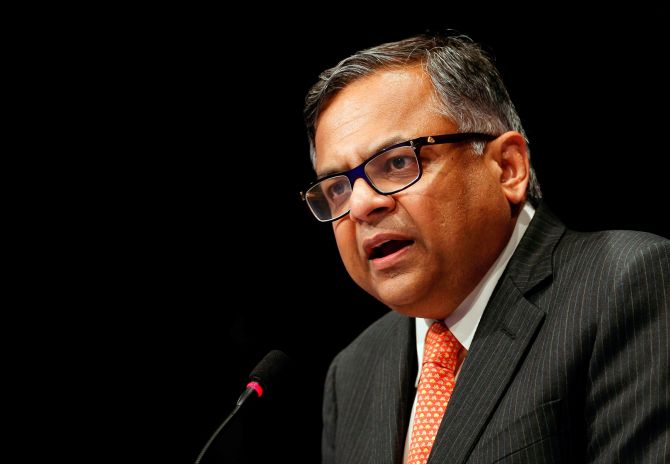
Too many obstacles to business in India, says Tata's Chandra

Tata Sons chairman N Chandrasekaran, have summarized the presently prevailing economic condition of India in few sentences while delivering the Nani Palkhivala Memorial Lecture in Mumbai


  • Growth must not come from pushing hard. There is no point to tell people 'drive fast, drive fast, drive fast'. It (growth) will come by removing obstacles.
  • A transformative vision which will ensure we move away from a controlled vision of micromanagement. It is the need of the hour.
  • There is a massive risk aversion within the system, which has led to an "undesirable equilibrium" where it is safer to avoid or delay decisions.
  • Achieving growth inherently involves risk taking and we need to applaud the risk takers, he said.
  • India is fraught with micromanagement and suspicion, and upping the growth trajectory requires removing the obstacles that impede businesses.
  • People who work hard and honestly are put through enormous difficulties and Indians excel in making an ordinary task into an extraordinary one. 
  • We need to re-imagine our economic and business culture. Culture is most critical.
  • The biggest aspect which India needs to sort out at the earliest is ensuring that we deliver jobs for the society at large, he said, warning that 90 million people will be joining the working age in the new decade.
  • Referring to the government's $5 trillion GDP target, he said none of the milestones can be achieved without ensuring educated, skilled and vibrant workforce.
  • He also advocated policy efforts on sustainability, inclusion, health and education, and added that creativity, collaboration and problem solving become the "second nature" for the youth.

References 

rediff.com

Sunday, November 24, 2019

Arnold Swargenegger

Arnold Schwarzenegger This Speech Broke The Internet AND Most Inspiring Speech


Monday, September 16, 2019

Musics


Bohemian Rhapsody by Queen


Yeol Eum Son/Lorin Maazel,NYPhilharmonic - Beethoven PianoConcerto No.2


Mozart's Piano Concerto No 15 in B flat, K450 - Yeol Eum Son

Wednesday, April 17, 2019

Philosophy of Mr. Ajit Doval

Mr. Ajit Doval, the National Security Adviser of India

MHRD Innovation Cell had broadcast an interview of the man who is highly successful in orchestrating many security or intelligence operations. What is his mode of operation? How he took decisions? What does a decision means? He has explained all those questions meticulously in this interview. He usually does not appear for public interviews or appearances. He does not have a mobile phone, any social media account, does not use internet in his computer for communication. But he is very fast in executing in operation that he, almost in all the operations, startled his opponents with speed. So how he works. We shall get a glimpse of this great operational mind of our time.
Excerpts from the above interview that may be relevant to our students who want to be successful.

We take hundreds of decisions everyday, like what to eat, what to wear, where to go, etc. Some are small, insignificant decisions, few are tough decisions.

What is a tough decision? 

A decision that will affect large number of people and for a long period of time - is a tough decision.

How to take a decision?

First we should have a clarity of the objective. To have a clear objective
  • Remove all adjectives and adverbs - that is unnecessary thoughts or words.
  • There will be only nouns and verbs - that is only names and what to do.
  • Make it small and as objective as possible.
  • Focus only on a clear objective. e.g. neutralize such and such on a specific date and specific time.

Analysis of the objective

Analyze the circumstances, limitations, resources available for the operation, possibilities those can happen, contingency plans available at disposal, etc.

Some don'ts

  • Do not take decisions when you are angry. It will lead you to wrong decision.
  • Do not take decisions if you are afraid. If security of your life becomes more important then it will affect your decision making ability.
  • Do not decisions if you are upset. If your personal matters are at stake, you may loose job, etc. then you will be in anxiety. It will affect your decision.

Procedure

  • Search the options to achieve the objective. There are generally very few options while taking a tough decision.
  • Work out the best option to reach the objective. Your database, information, experience, communication skill, etc. will help you in selecting the best option.
  • After selecting the best option, prepare for it with full vigor. Give your best.

Some advices

  • Taking the right decision is less important than making the decision right. no decision is right or wrong when it is taken. We shall know it only after the event is over. Therefore we should try to make the 'taken decision' right. e.g. we often select right partner during marriage but we should endeavor to make our marriage right. 
  • An example: A poisoned candy is offered to you. At that moment you took the right decision to lick the tasty candy. After taking the candy you are poisoned. So your decision was found to be wrong at the end. Therefore, there is no right decision as such.
  • Concentrate more on action rather than changing the decision in the course of action.

Philosophical advices

  • Every second of your life should be the first second of the rest of your life.
  • Hold on all adversities. Do not quit. Prepare yourself for how will you respond to a circumstance.
  • What you want to do is your passion. What you should do is your duty. Opt for the second.
  • What you have to do is not your choice. It is other's choice. When  there is option there you can take decision. If there is compulsion there is no question of decision.

The final advice to the future citizens

  • Identify your self with a larger identity. Identify yourself with your family. Identify with your society. Identify with your nation. Identify with the mankind. Identify yourself with larger and larger identity. 
  • Do not shrink yourself to smaller and meaner identity like your own-self, your own family.
  • Your identity should be "I am an Indian".

Monday, April 15, 2019

Dr. B. R. Ambedkar

I have recently came across few hitherto unknown information about  Dr. B. R. Ambedkar. The reference is given at the end of this blog.
Full Name: Dr. Veemrao Ramji Ambdekar
Date of Birth: 14th Apr 1891
Birth place: An army camp in Madhya Pradesh

Dr. B. R. Ambedkar in his teen

Father: Ramji Maloji Sakpal was a Subedar in British Army.
Mother: Veemabai
After retirement in the year 1894, his father went to Satara with whole family. After few days his mother Veemabai was deceased. Ambedkar was brought up by his mousi (mother's sister).
His caste: Mahar, an untouchable caste. In school he was served drinking water by a peon and that too from a distance. If the peon was absent, he remained thirsty that day.
His actual surname was Ambavadekar, which was originated from the name of his village "Ambavade" of the district Ratnagiri of Maharastra. His Brahmin teacher Mahadev Ambedkar was very affectionate to him. This Brahmin teacher put his surname "Ambdekar" in the roll of school.
Education: However, he was a gifted, extraordinarily talented student. He excelled in education. He achieved degree in economics from both Columbia University and London School of Economics. He showed his research acumen in law, economics, and political science.

The Twist

Although he was from an untouchable caste but his talent and perseverance had earned him recognitions and accolades from higher castes also. He did not require any pity from his fellow countrymen, instead people from all castes and creeds were honored to revere him. 

References

Saturday, April 6, 2019

Philosophy of Rahul Gandhi

Some of the low-decibel messages expounded by of Rahul Gandhi which were almost lost under the sand dune of time
Rahul Gandhi is expounding some messages in today's turbulent, intolerant India. The messages are  low in decibel by very high in integrity and inner strength. Just like our normal soundless breathing, our huge mass of our Indian civilisation actually stands on those unsung virtues.
I am presenting a compilation of those messages, which Rahul Gandhi often says in front of University students the future wheels on which India will run.

  • "Courage comes from acceptance of the truth. What I had to face, I accepted that. If you accept the truth, face the reality, courage comes. If you accept truth, it gives you courage. If you accept lie, it gives you fear."
  • "From truth comes humility, and humility gives courage."
  • "I don't like to make excuses. I deal with what I am faced with and I am persistent."
  • "I have no hatred towards the man (referring Narendra Modi) at all. There is no anger. He doesn't feel the same way. He has anger towards me." There was a ripple of laughter swept over the students present. A few students burst into a chant of "Modi, Modi". The reaction Rahul gave unfazed was "It's fine, no problem."
  • Asked about the young generation's obsession with social media and to live in the virtual world, he said: "You can live in virtual reality but can't run away from reality. You have to face livelihood issues, will have to look after parents."
  • "Truth is love, harmony (will help), hate and anger won't help. A false sense of confidence comes with violence but it harms you."
  • "Debating and questioning were the essence of democracy. My suggestion is, ask questions, make me uncomfortable,. Disturb me."
  • "Somebody said I have come here and given my valuable time. Nonsense, you have comehere and given your valuable time."
Let us ponder over these virtues again, forgetting for a moment that "SUCCESS IS THE ONLY GOAL OF LIFE." Just feel how soothing it is.

References 

By Sanjay K. Jha, New Delhi
The Telegraph, 06th Apr 2019

Wednesday, April 3, 2019

Competition

āĻĒ্ā§°āϤিāϝোāĻ—িāϤা
Sampadakyo, Ei Samay 02/04/2019 Link


Friday, December 22, 2017

Sunday, July 9, 2017

WBJEE 2017 Statistics

INSIGHT INTO THE SCIENCE EDUCATION STATUS OF WEST BENGAL

This year (2017) students had appeared in WBJEE (State Level Exam) and/or JEE Main (All India Level Exam) for admission to Engineering Courses in West Bengal. Students appeared from the following boards of India as well as West Bengal.
  • West Bengal Council for Higher Secondary Education (WBCHSE), 
  • Central Board of Secondary Education (CBSE) Senior School Certificate Examination
  • Indian School Certificate Examinations (ISCE)
  • Bihar School Examination Board (Senior Secondary) (BSEB)
When the WBJEEB result was declared the WBJEE Board declared some data in the news conference. These data throws some light which is worthy of analysis.

The scenario

Total candidates applied for: 1,17,544
Total candidates appeared in Engg: 1,00,976 (For counselling 1,00,433)
Total candidates appeared in Pharmacy: 1,01,763 (For counselling 1,00,175)
Obtained Zero or less in Engg: 543
Obtained Zero or less in Pharmacy: 588


CBSE Board: Total students appeared = 25% of 1,00,976 = 25,244
CBSE Board with first 10,000 rank holders =47% of 10,000 = 4700
Success rate = 4700*100/25244 = 18.6%

WBCHSE Board: Total students appeared = 47% of 1,00,976 = 47,459
WBCHSE Board with first 10,000 rank holders =26% of 10,000 = 2600
Success rate = 2600*100/47459= 5.5%

BIHAR Board: Total students appeared = 15% of 1,00,976 = 15,146
BIHAR Board with first 10,000 rank holders =13% of 10,000 = 1300
Success rate = 1300*100/15146= 8.6%

ICSE Board: Total students appeared = 6% of 1,00,976 = 6,059
ICSE Board with first 10,000 rank holders =9% of 10,000 = 900
Success rate = 900*100/6059= 14.9%

Discussions

The exam was conducted by West Bengal Joint Entrance Board with syllabi similar to that of WBCHSE. Students of CBSE and ISCE Boards excelled compared to the State Boards. West Bengal Board students' success rate is a meagre 5.5%. Some where there is a problem in the syllabi of West Bengal Boards, in the teaching learning process or in the educational administration and execution. These problems should be addressed honestly.
Some of my personal opinions are as follows:
  • In CBSE and ISC Board attendance and discipline is very strictly executed. In State Boards attendance is very loose. Although the students of state boards take coaching from private tutors but they get very little school activities.
  • In CBSE and ISC Boards projects in every year are compulsory and the topics are up-to-date. That means the students have to collect the materials of the given topic from news paper, internet, locality, own survey, etc. This project makes them aware of the current topics and skilled enough to extract information from surrounding and media.
  • The syllabi are taken from very wide topics. Therefore, they acquire subject knowledge spread over a vast area, although their knowledge is often neither creative nor logical, because it requires some time to assimilate the knowledge by average students.


Wednesday, February 22, 2017

Famous Quotes


  • Great minds discuss ideas, average minds discuss events and small minds discuss people. - Eleanor Roosevelt (Social activist and former First Lady Eleanor Roosevelt)


Thursday, August 25, 2016

Rashi Bajaj - The owner of a carpet industry


Rashi Bajaj - Another well-groomed human being but with a heart of an Entrepreneur. She was reared up in a boarding school since the age of eight. Her parents were settled in Bhadohi - a nondescript town in Uttar Pradesh. She went through all the steps of accomplishing knowledge and skills like schooling, graduation and post-graduation. After MBA Rashi had landed with a job with Infosys. Eventually she moved to their family business of carpet industry.

The Family Business

 Father of Rashi a small factory of carpet weaving manned by local artisans. Carpet industry was once a booming industry. Lately it has been suffering from chronic illness. The younger generation of skilled labourers are migrating from small rural towns to bigger cities and to jobs different from their family profession of carpet weaving. So there is a dearth of skilled labours. Demand of handwoven Indian carpets are declining against the competition thrown by the Chinese carpet industry. At the same time weak European economy is showing less demands for carpets. In this backdrop Rashi took the challenge of reviving this dying industry and instil new life in it.

The challenges she took

Rashi got married to a husband who himself is an entrepreneur. Together they envisioned to develop a unique carpet brand Carpet Couture - an Indian brand of luxury carpets and rugs for international markets. It will be hand-woven with the local weavers but with international designs and flavors. The task was daunting because on one side she has to meet the clients, take their requirements, catering to their complaints, promoting the products internationally, working with interior designers and architects; on the other side she has to motivate and manage her work force. The latter was more difficult job because she has to swim against the tide of migration of workers. However she had succeeded in her endeavour to provide stable income to the artisans. In fact she had been able to double their wages, and motivated them to continue weaving magic on carpet that is mesmerising the international clientele. The sleek design of her company website says more about her marketing skill acquired through disciplined education.

Her Future Plans

Presently her company has touched a turnover of Rs. 7 crore and that too within 7 years of endeavour. The next phase of headway required a lot of R&D work involving experimentation with new and improved yearns, new weaving techniques, new design concepts, etc.

Accolades she received

She received several prestigious awards Stevie Award in New York  for “Young Women Entrepreneur” twice - in 2013 and 2014;  “Enterprising Women of the Year” award by The Enterprising Women Foundation, Cary, NC in 2015, and in 2016, she got the "Prashashti Samman” National Award for Excellence as an Emerging Entrepreneur. 
Above all her greatest accolade is her satisfaction of seeing her carpets displayed in national and international hotels, buildings, yatches like Taj Vivanta, Amritsar, Mariott- Jaisalmer, Conrad Bengaluru and many prestigious hotels in Middle East.

Her advice to would be entrepreneurs

An entrepreneur is an owner of a business who have given the birth of it, reared it in all conditions - however hopeless it may appear. As a business owner one has to understand all the nuances of the business from the scratch - production, packging, marketing, client servicing, dealing with complaints, advertising, management of finance, human resource. 
In her words: 
Even if you hire the best talent from the industry, the first step has to be taken by you. You have to make the first sale, you have to handle the first customer complaint, you have to decide and execute the first marketing campaign and you have to handle the first and many employee grievances on your own.  A business owner can never say “That’s not my job”!

References


  1. Rashi Bajaj - An Ex-Infoscion Who Revived And Created a Rs.7 Crore Carpet Industry In A Small Town. By Anjana Rajguru, Yahoo, 23 August 2016
  2. Carpet Couture Website


Tuesday, October 27, 2015

Pan-African e-Network


Pan-African e-Network project was conceived by our former President Dr. A.P.J. Abdul Kalam to assist Africa in supporting tele-education, tele-medicine, e-commerce, e-governance, infotainment, resource-mapping and meterorological services. The project was approved by the Union Cabinet on 5th July, 2007 at a budgeted cost of Rs.543 Cr. This budget allocation encompassed the cost of supply. installation, testing and commissioning of hardware and software, end-to-end connectivity, satellite bandwidth, O&M support and providing tele-education and tele-medicine support to 53 African countries. Ministry of External Affairs is looking after the project and Telecommunications Consultants India Limited (TCIL) is implementing the project on India's side.
Another man who was instrumental in executing the project was our present President Mr. Pranab Mukherjee. He was then the External Affairs Minister. Under his initiative  the project had started.
This year during the Oct 2015 third Indo-African Summit is going to be held where the delegates from all the African Nations decided to show respect to Late Dr. A.P.J Abdul Kalam Azad, in an unique way by wearing wigs resembling the hair style of the former President, for conceiving such a grand project that had brought vast changes in the lives of African countries. Weighing the benefits of the project the African delegates would wish to extend the project for 5 more years from July 2016.

Some success stories

  • A Senegalese boy, aged 14 years at the time of commissioning of the project, was diagnosed with a brain tumour. No airline took the chance to take him Europe for an operation. With the help of the tele-medicine support provided under e-Network the boy was successfully operated upon a hospital at Dakar, capital of Senegal, under the guidance of the specialists at Fortis, New Delhi, over video.
  • Large number of African nationals operated upon at various super-speciality hospitals in India need not come any more to India for regular check up. On line check ups have made it possible and millions of dollars have been saved so far.
  • Sechelles, the nation comprising of islands, is a welfare state. The country takes all the burden of a patient and one relative to accompany him or her. After the e-Network facility is installed 70% of the patients are now treated over tele-medicine, thus saving huge amount of dollars.
  • "Mesh" network facility is provided by TCIL making possible a secure virtual meeting with the heads of different African nations within minutes of a conflict and resolves disputes. Thus African nations are saved from possibility of major violences those may have erupted.

Conclusion

Technology can come to real help of the people. It can encompass a whole nation or a whole continent. It is actually linking the whole world. This Pan-African initiative of e-Network is an example of that benevolent approach of a couple of statesmen from India like late Dr. A.P.J. Abdul Kalam and Mr. Pranab Mukherjee after Mahatma Gandhi and Jawaharlal Nehru. Again the person who thought it big, as big as the second largest continent - Africa, was none the less Dr. Abul Pakir Jainul Abdin Kalam.


Sunday, November 16, 2014

A humane policy for the Pensioners - A boon of Aadhar Project

First week of every month our elderly members have to present themselves before the pension disbursing authority that they are still alive in this world. They have to get the "Life Certificate" and then only their monthly pension will be disbursed.


The common picture is a long queue of our standing family members often for a couple of hours. We boast of our technological advancement, but could not save these infirm, ailing generation from physically presenting themselves before the pension disbursing offices like Post Office, Banks, etc. The whole life they had been standing in queues for getting various services, and their ordeals do not end with their retirements. This will be our fate too at the end of our work-life.
The present Modi government has launched an initiative, namely, JEEVAN PRAMAAN-DIGITAL LIFE CERTIFICATE on 10th Nov 2014.
Under this initiative there are more than 40,000 centers those will deliver a Digital Life Certificate just by checking the biometric proofs (like finger print and iris-scan) every year in the month of November. The advantages are as follows:

  1. Now the pensioners will not have to present themselves before the bank or other pension disbursing offices. 
  2. The debilitating elderly pensioners will not be required to to to centers physically. The center with their biometric scanners can come to them to give the life certificates. A PC fitted with iris scanner / finger print scanner will be sufficient to get this certificate. Mobile app is provided for smart phones from which also the life certificates can be obtained.
  3. The pensioner may remain with their family any where in India. They need not come to their home town to get this certificate. From any center in India they can obtain this certificate.
This facility is again made possible by Aadhaar project. The project that was started by Dr. Manmohan Singh under the able leadership of Mr. Nandan Neelekani was long tried by various stake holders to derail and delay it from implementation. However, it is our fortune that new B.J.P. government under Mr. Modi could see the benefits of Aadhaar card and cleared all barriers to give a new lease of life to the initiative. 
Let us wait to see more beneficial uses of Aadhaar card in the near future. JAI HO TECHNOLOGY.
The site where Digital Signature Certificate can be registered. Jeevan Pramaan 

Friday, August 15, 2014

Chanda Zaveri to the cause of St. Xavier's University

St. Xavier's College Calcutta, is going to built up its University campus at Rajarhat, Kolkata. Chanda is not a Xaverian. Still she connected herself to the cause of this 154 year old educational institute. And the link is Father J. Felix Raj S.J., the acting Principal of the institute. He wished to meet Chanda in March 2014 through a friend of her. But why would she meet the Father? In her own word:
"So I went and found this man who had given every second of his life for humanity while we don't have 10 minutes for someone."
Motivated by the call of Fr. Felix Raj she took initiative to create a forum to raise fund for the proposed University in United States, hosted Fr.Felix and some of the members of St. Xavier's College Calcutta Alumni Association (SXCCA) at her Los Angeles home in May 2014. She catalysed the formation of St. Xavier's College Calcutta Foundation in California to raise half-a-million dollar fund for the University.
Soon after meeting with Fr. Felix, Chanda got a breakthrough in her business by merging with chocolate brand MXI. She immediately contemplated to donate 5% of the profit coming from this venture to the University till its completion.
Her present goal, in her words:
"These days, morning and night, I am thinking of how to make St. Xavier's on a par with Harvard
- She has a desperate heart to think really big.
Every successful heart has a philosophy of her/his own. Chanda Xaveri's philosophy in her present endeavour is:
"I see education as the only way to freedom. That's how I found my way and that's what I want for others, especially women who should have their autonomy. Anywhere that girls and boys can study and learn, I will support. And I'm glad that I could begin this with Calcutta."